

 Facebook
 X
X
 Pinterest
 Copy Link
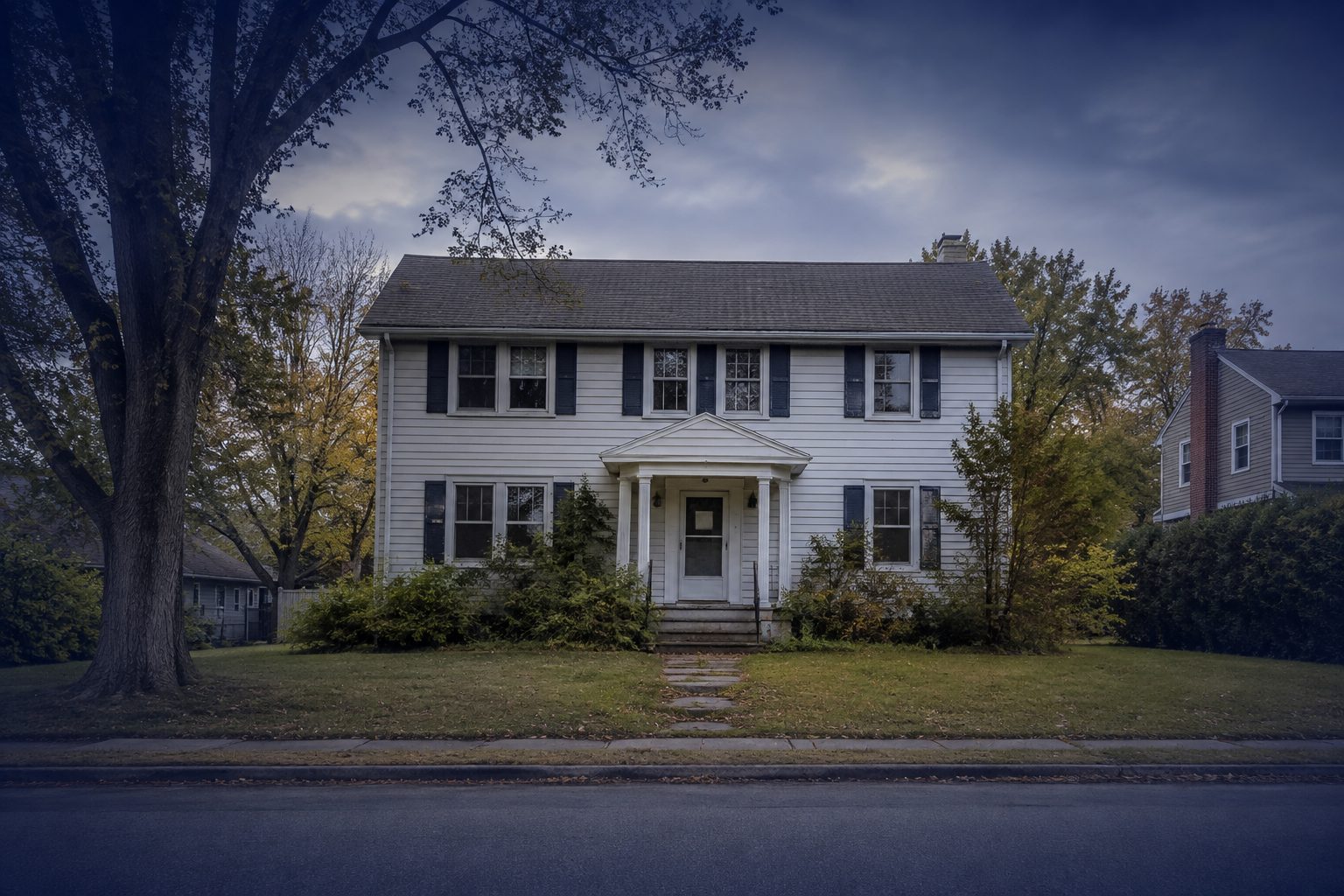

The appeal of a fixer-upper is straightforward: buy below market value, put in the work, and end up with a home worth more than you spent on the purchase and renovation combined. In New York, where prices are high and finding value is genuinely difficult, this logic attracts buyers who see renovation as the path to affordability or equity-building.
The reality is more nuanced. Some fixer-upper purchases in New York are genuinely excellent financial decisions. Others are expensive mistakes made by buyers who underestimated costs, overestimated after-renovation value, or underestimated the complexity of executing a renovation in the New York market. Here's how to tell the difference before you commit.
The Core Formula
The fundamental math of any fixer-upper purchase is:
After Repair Value (ARV) minus Total Cost = Your Equity Position
Where Total Cost = Purchase Price + Renovation Cost + Carrying Cost + Transaction Cost
If the after-repair value of the home – what it will be worth after the work is done – is meaningfully higher than the total of everything you'll spend, you have a potentially good deal. If the total cost approaches or exceeds the after-repair value, you don't.
The challenge is that two of these variables – renovation cost and after-repair value – are estimates at the time of purchase, and both have a consistent tendency to be more expensive and less certain than buyers initially assume.
Establishing the After-Repair Value
The ARV should be established by looking at comparable sales of homes in similar condition to what yours will be after renovation – fully updated, in good condition, comparable size and location. Your agent can pull this data from the MLS. Don't use the current listing price of updated homes as your comp; use their actual sale prices.
Be conservative in this estimate. The market can shift during a renovation, and buyers of finished renovations are typically more discerning than ARV estimates assume.
Estimating Renovation Costs in New York
This is where most fixer-upper analyses go wrong, and it's worth understanding why.
Labor costs in the New York metro area are significantly higher than national averages. A kitchen renovation that costs $40,000 in Ohio costs $70,000 to $100,000 in Nassau County. Permitting requirements in New York municipalities add cost and time to nearly every significant project. Finding reliable contractors with availability is genuinely difficult in the current market.
The practical approach: get real contractor estimates – multiple of them, from licensed contractors – before making an offer or as a condition of your offer. Don't use cost-per-square-foot estimates from renovation websites or TV shows. Get actual numbers for the actual work from actual contractors who will do it.
Then add a contingency of 20% to 30% for unexpected conditions (what the walls contain once they're opened, what the foundation looks like once you investigate, what the electrical and plumbing reveal). In New York's older housing stock, these surprises are the rule, not the exception.
Financing a Fixer-Upper
Standard conventional mortgages require that the property be in habitable, lendable condition. A home with significant structural issues, no functional kitchen, or other major deficiencies often doesn't qualify for conventional financing.
Options for fixer-upper financing include:
FHA 203(k) loan: Allows buyers to finance both the purchase and renovation costs in a single loan. Available for primary residences with a minimum down payment. The renovation must be completed by licensed contractors and is subject to FHA inspection requirements.
Fannie Mae HomeStyle loan: Similar concept for conventional loan buyers – finance purchase and renovation together. More flexible on renovation scope than FHA 203(k).
Hard money or renovation-specific loans: For investors, short-term hard money loans with higher interest rates can fund purchase and renovation. The expectation is refinancing or selling once the project is complete.
Cash purchase with subsequent renovation financing: Some buyers purchase with cash, renovate, and then refinance at the improved appraised value – pulling out equity while converting to a long-term conventional mortgage.
The Honest Assessment
Fixer-uppers work best for buyers who have realistic renovation estimates, access to reliable contractors, genuine patience for the process, and the financial cushion to absorb unexpected costs without crisis. They work worst for buyers who are stretching financially, underestimating costs, or planning to do significant work themselves without the skills or time to execute it.
If the math works after conservative estimation, a fixer-upper in a desirable New York location can be one of the better ways to build equity in a high-priced market. If the math works only under optimistic assumptions, it's a risk worth declining.
I help buyers evaluate fixer-upper opportunities with a clear-eyed financial analysis before they commit. Call me at (321) 447-4259 or visit movewithricky.com.
Rakesh (Ricky) Khanna | Licensed Real Estate Salesperson
Better Homes and Gardens Real Estate Realty Connect
Call or text: (321) 447-4259 | movewithricky.com
 |
 |
 |
 |
 |


