 Facebook
 X
X
 Pinterest
 Copy Link
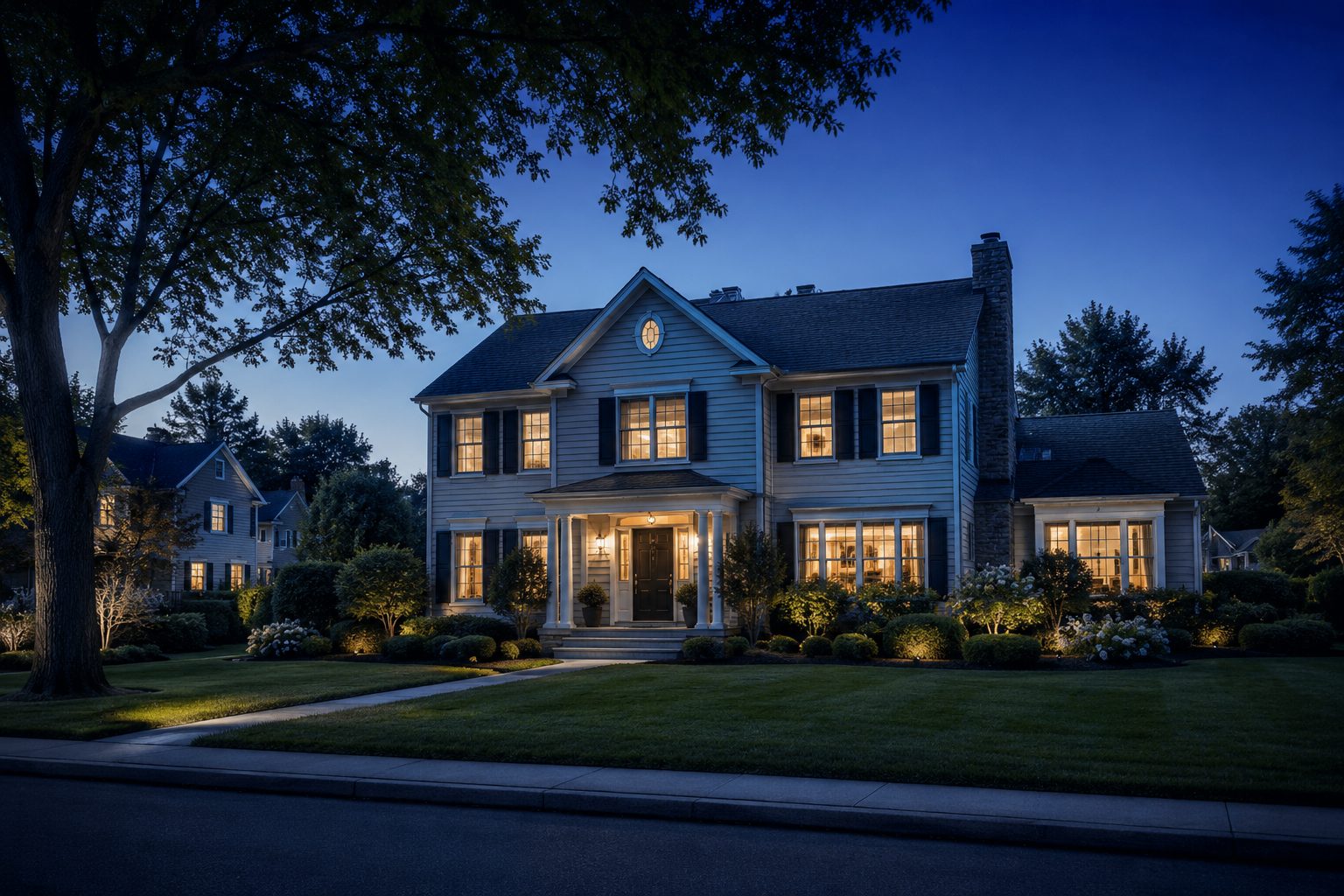
You can renovate a kitchen. You can repaint a living room. You cannot change the neighborhood. This asymmetry – that everything about a home except its location can be modified – makes neighborhood selection the most consequential and least reversible decision in any home purchase.
Most buyers evaluate neighborhoods through a combination of gut feeling and online research. Here is a more structured framework.
Define What Neighborhood Actually Means to Your Life
Before evaluating any specific area, get specific about what neighborhood quality means for your particular situation. Different buyers need different things from their surroundings.
For families with school-age children: school district quality is typically the dominant variable. As covered in an earlier post, school district lines in New York can run through the middle of a neighborhood, and the difference in home values – and educational experience – between one side of that line and the other can be enormous.
For commuters: proximity and access to your primary employment destination shapes everything about how you’ll experience the neighborhood daily. A 25-minute commute and a 65-minute commute are not the same quality of life, and the difference compounds over years of daily travel.
For buyers prioritizing community and walkability: proximity to restaurants, parks, cultural institutions, and retail matters more than for buyers who prefer privacy and quiet. These priorities lead to very different neighborhood selections within the same price range.
For multi-generational buyers: access to community services, medical facilities, religious institutions, and cultural familiarity – particularly for buyers whose parents or extended family will be involved in daily life – shapes the decision distinctly.
The Variables Worth Researching Systematically
Crime statistics. Local police department crime maps and platforms like CrimeMapping.com provide specific incident data by address and neighborhood. Don’t rely on reputation alone – verify with data.
Flood zone designation. FEMA flood maps are publicly searchable by address. Properties in FEMA-designated flood zones require separate flood insurance that adds to monthly carrying costs. This is non-negotiable information before purchase.
Municipal services and taxes. Property tax rates vary significantly across New York municipalities even within the same county. Understand the annual tax burden for any specific address before falling in love with a price.
Development and zoning trajectory. What is planned or permitted for surrounding areas? A vacant lot adjacent to a home you’re considering could become a park, a commercial development, or high-density housing. The local planning board’s current applications and approvals are public record.
Neighborhood trajectory. Is the area improving, stable, or declining? Signs of investment – new businesses, property renovations, infrastructure improvements – suggest momentum. Signs of disinvestment – rising vacancy, deteriorating properties, departing businesses – suggest the opposite.
The Visit Test
No amount of online research replaces multiple visits to a neighborhood at different times of day and different days of the week. A neighborhood that feels pleasant on a Saturday morning feels very different at 7 PM on a Tuesday when school lets out, or at 11 PM on a Friday. Visit at least twice before forming a strong opinion.
Talk to people who live there. Nothing surfaces neighborhood reality faster than an honest conversation with a current resident who has no stake in selling you anything.
I help buyers evaluate neighborhoods with specific local knowledge and data – not just proximity to the listing. Call me at (321) 447-4259 or visit movewithricky.com.
—
Rakesh (Ricky) Khanna | Licensed Real Estate Salesperson
Better Homes and Gardens Real Estate Realty Connect
Call or text: (321) 447-4259 | movewithricky.com
 |
 |
 |
 |
 |


