

 Facebook
 X
X
 Pinterest
 Copy Link
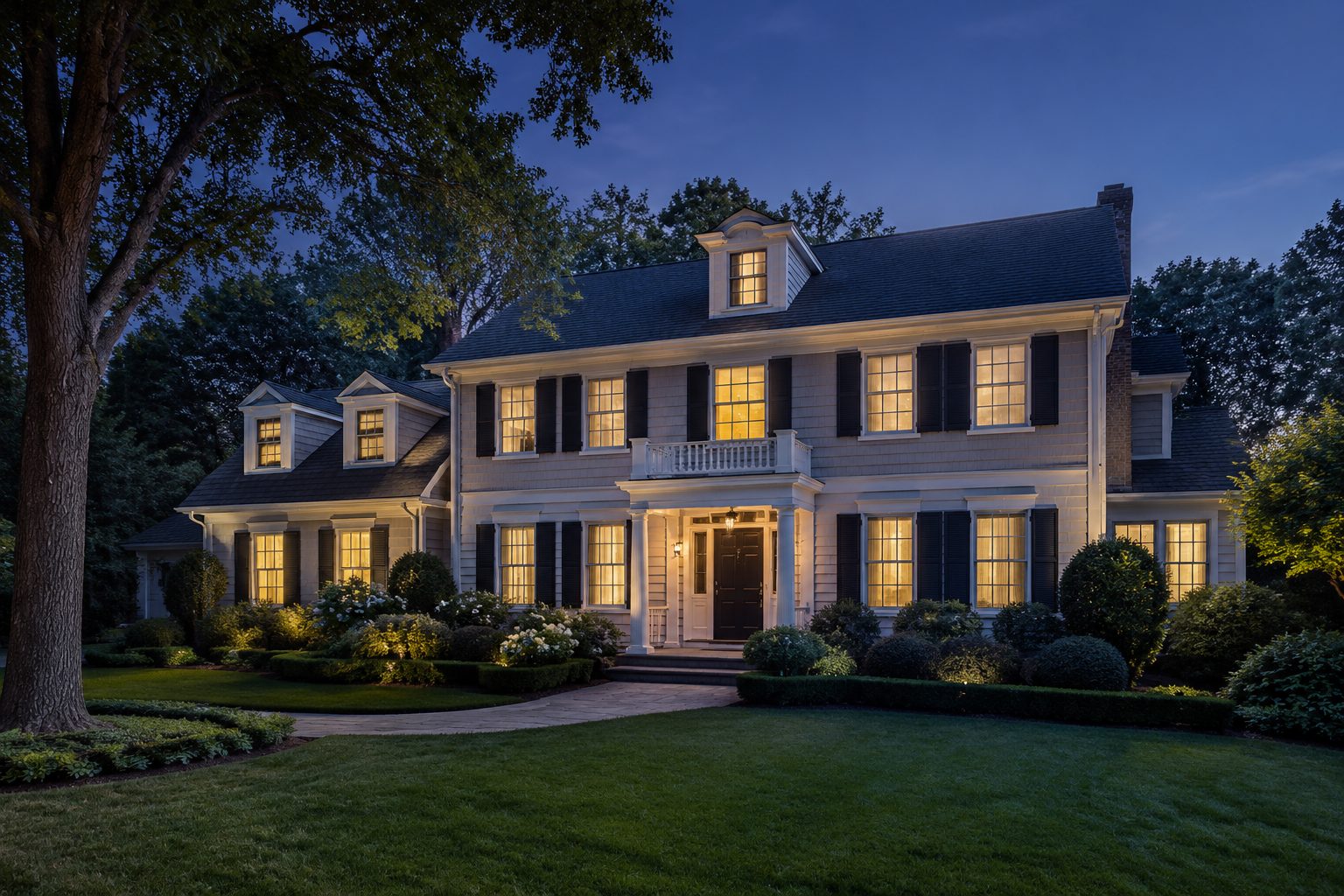
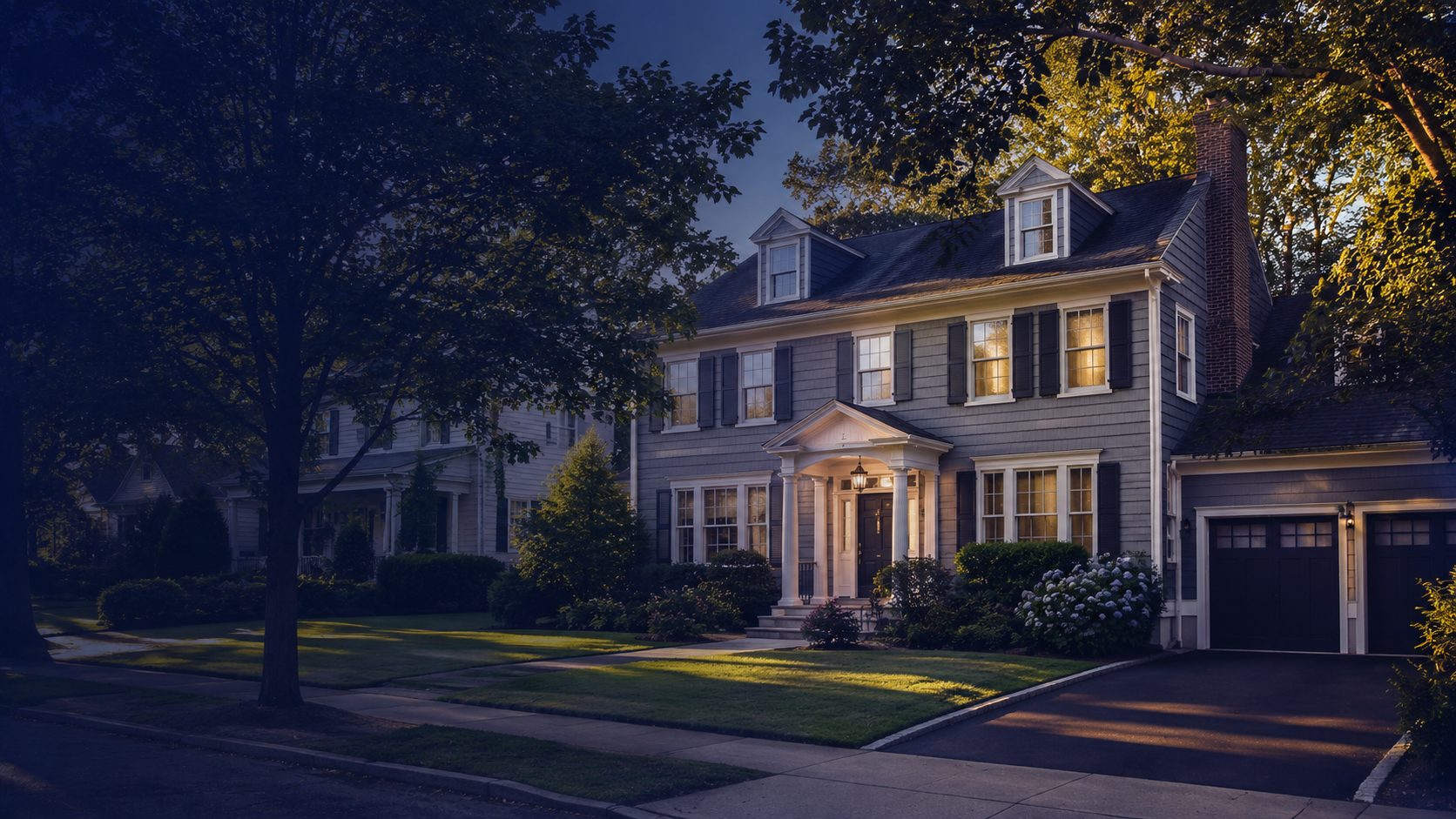
Most homes in New York have enough recent comparable sales to support a confident valuation. But some don't. Architecturally distinctive homes, properties in neighborhoods with low turnover, or homes with features that have no local equivalent present the challenge of valuing a property when the comparable evidence is genuinely thin.
Why This Is Harder
A CMA works by finding recent sales of genuinely similar properties and using what buyers paid for those properties as evidence of what they'd pay for yours. When genuinely similar properties haven't sold recently, the statistical foundation of the analysis weakens. The same challenge applies to appraisers – when comparables are lacking within standard parameters, they must expand in ways that introduce additional uncertainty.
Expanding the Comparable Search
Geographic expansion: Sales in adjacent communities where similar properties exist. The adjustment challenge increases – location differences must be accounted for – but they provide evidence where none otherwise exists locally.
Time expansion: Sales from a longer period – 12 to 18 months – adjusted for market movement between when they sold and today.
Feature-specific comparables: For a home whose primary distinctive characteristic is, say, waterfront location or historic designation, finding sales of other waterfront or historic properties – even if they differ in other ways – helps isolate the market's valuation of that specific feature.
The Cost Approach
When market comparables are genuinely insufficient, appraisers sometimes use the cost approach – estimating land value plus the depreciated replacement cost of the improvements. This provides a floor: a minimum below which a property with sound construction and genuine distinctive features shouldn't be priced, even if it doesn't determine the ceiling.
Market Testing as a Pricing Tool
For unique properties with genuine uncertainty in value, the most reliable approach is sometimes to enter the market at a thoughtfully considered price and learn from buyer response. If a unique home generates significant interest at $775,000 but none at $850,000, the market has given you specific, documented feedback about its value. This feedback loop is more informative for unique properties than for typical homes with abundant comparables.
What Sellers of Unique Properties Should Accept
The honest reality: the range of uncertainty for unique properties is wider than for typical homes. Where a typical three-bedroom colonial has a defensible value range of $30,000 to $50,000, a genuinely unique property may have a rational range of $100,000 to $150,000. Price at a level that attracts genuine buyer interest, listen carefully to market feedback, and be willing to adjust with new information.
I work with sellers of distinctive properties and bring specific analytical rigor to valuations when comparables are limited. Call me at (321) 447-4259 or visit movewithricky.com.
Rakesh (Ricky) Khanna | Licensed Real Estate Salesperson
Better Homes and Gardens Real Estate Realty Connect
Call or text: (321) 447-4259 | movewithricky.com
 |
 |
 |
 |
 |


