

 Facebook
 X
X
 Pinterest
 Copy Link
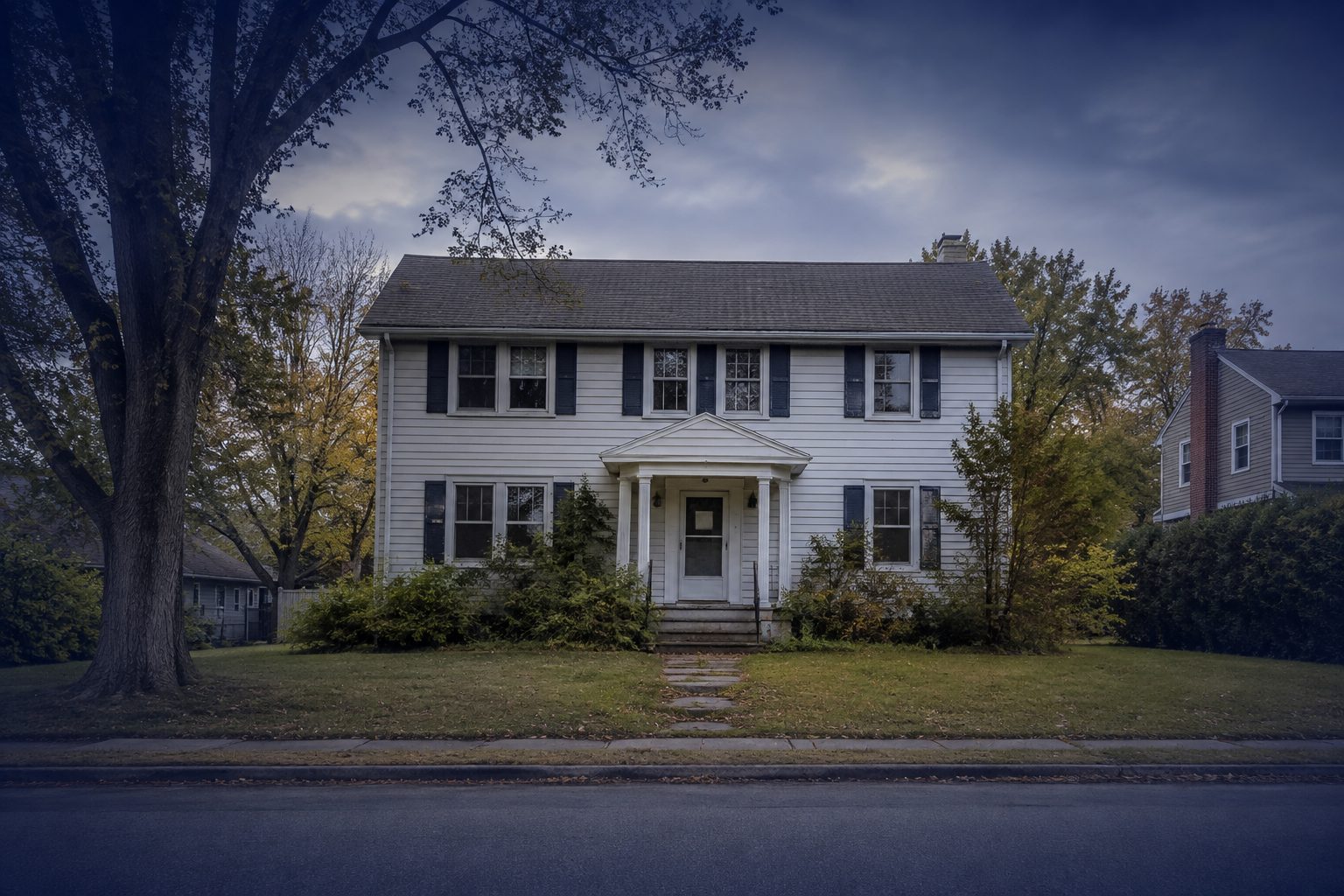

Most post-inspection negotiations in New York resolve cleanly – a list of requests arrives, seller and buyer reach agreement on credits or repairs through their attorneys, and the transaction moves forward. But some negotiations drag on, with buyers returning with additional requests after an initial resolution, or with demands that bear little relationship to the inspection's actual findings.
Here's how to handle this situation with a clear head.
Why Some Buyers Push Beyond Reasonable Inspection Requests
Buyers who use the inspection period as an extended negotiation opportunity – rather than a specific evaluation of the property's condition – often fall into a few recognizable patterns.
Some buyers have genuine anxiety about the purchase and express it through repeated requests for reassurance in the form of credits. The underlying issue isn't the house; it's buyer's remorse or commitment fear. Additional concessions may satisfy them temporarily but create a precedent for further requests.
Some buyers are working from buyer's agent advice to "get everything they can" from the inspection – treating it as a second round of price negotiation rather than a specific condition-based process. These requests often include items far removed from genuine defects.
Some buyers simply miscalibrate what sellers are obligated to address and what's normal for a home of the age and condition they agreed to purchase.
Establishing the Right Frame for the Negotiation
The most important thing you can do when inspection negotiations begin to sprawl beyond reasonable scope is reestablish the proper frame: the inspection is for discovering material defects and condition concerns that were not apparent at the time of the contract, not a mechanism for renegotiating the purchase price.
Your attorney communicates this frame professionally and firmly. The response to a request list that is inflated or that covers items clearly within the scope of normal wear and maintenance for the property is a counter that accepts responsibility for legitimate findings and declines the rest – with specific, calm reasoning.
The Specific Technique: Separate Into Categories and Respond to Each
When a lengthy inspection request list arrives, your attorney (with your guidance) should categorize each item and respond to it specifically:
Category 1 – Legitimate significant findings: Safety hazards, major system failures, significant structural issues. These warrant consideration – offer a credit at the actual cost to address, not the inflated amount sometimes requested.
Category 2 – Items consistent with the home's age and disclosed condition: A roof with known age, original mechanicals, dated cosmetics. These were priced into the transaction. Decline these specifically, with the statement that these conditions were represented in the disclosure and reflected in the price.
Category 3 – Minor maintenance and wear items: Small caulk failures, aging paint, cosmetic imperfections. Decline these without extended explanation. Every lived-in home has these. No credit is warranted.
Responding to each category specifically – rather than issuing a blanket counter or blanket refusal – demonstrates seriousness and professionalism while making clear that you've analyzed each item.
When a Buyer Comes Back After an Initial Resolution
If you've agreed on inspection terms and the buyer's attorney returns with additional requests – items not covered in the initial list, or renewed requests for items already declined – the response is typically brief and firm: "We have resolved the inspection contingency per our agreement dated [X]. No further adjustments are available in connection with the inspection."
A buyer who is using the inspection period as a prolonged negotiation platform may be signaling that they're not fully committed to the transaction. Your attorney will advise you on whether the behavior rises to the level of bad faith, what your contractual rights are if the buyer attempts to exit using the inspection contingency after the period has expired, and when to consider whether returning to market is preferable to continuing to negotiate indefinitely.
Keeping the Bigger Picture
The goal of managing this situation is to reach a close – the right close, at fair terms – not to "win" the inspection negotiation as an isolated contest. Sometimes a modest additional concession to a buyer who is anxious is economically rational if it prevents a deal from falling apart and a return to market.
The question to ask in every round of a prolonged negotiation: is the cost of this concession more or less than the cost of returning to market? If the answer is less, consider accepting and moving forward. If the answer is more, hold firm and let the buyer make their decision.
I help sellers navigate extended and difficult inspection negotiations with clear analysis and steady counsel. The goal is always the right outcome for you – not the emotional satisfaction of winning a battle that doesn't need to be fought. Call me at (321) 447-4259 or visit movewithricky.com.
Rakesh (Ricky) Khanna | Licensed Real Estate Salesperson
Better Homes and Gardens Real Estate Realty Connect
Call or text: (321) 447-4259 | movewithricky.com
 |
 |
 |
 |
 |


