
 Facebook
 X
X
 Pinterest
 Copy Link
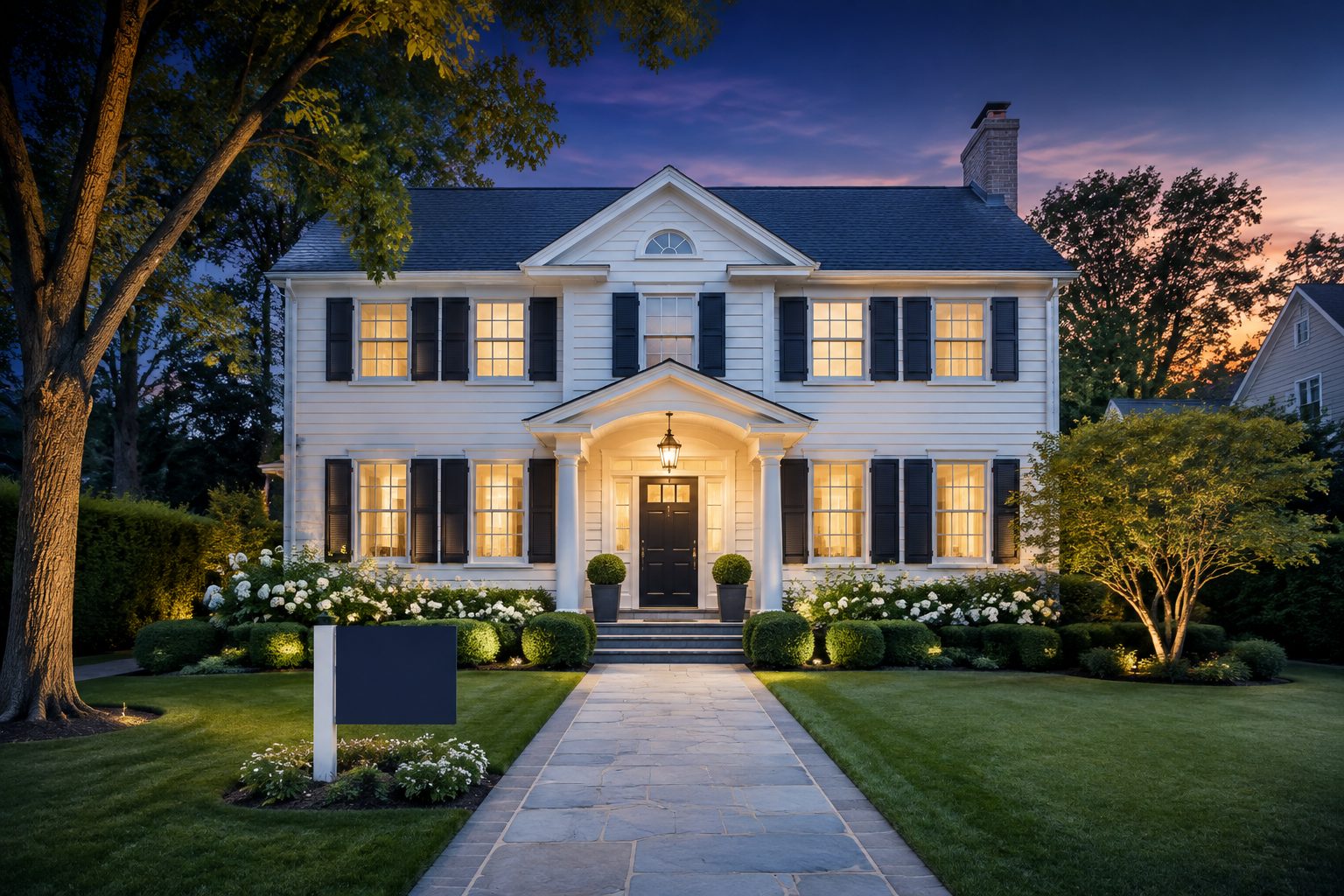
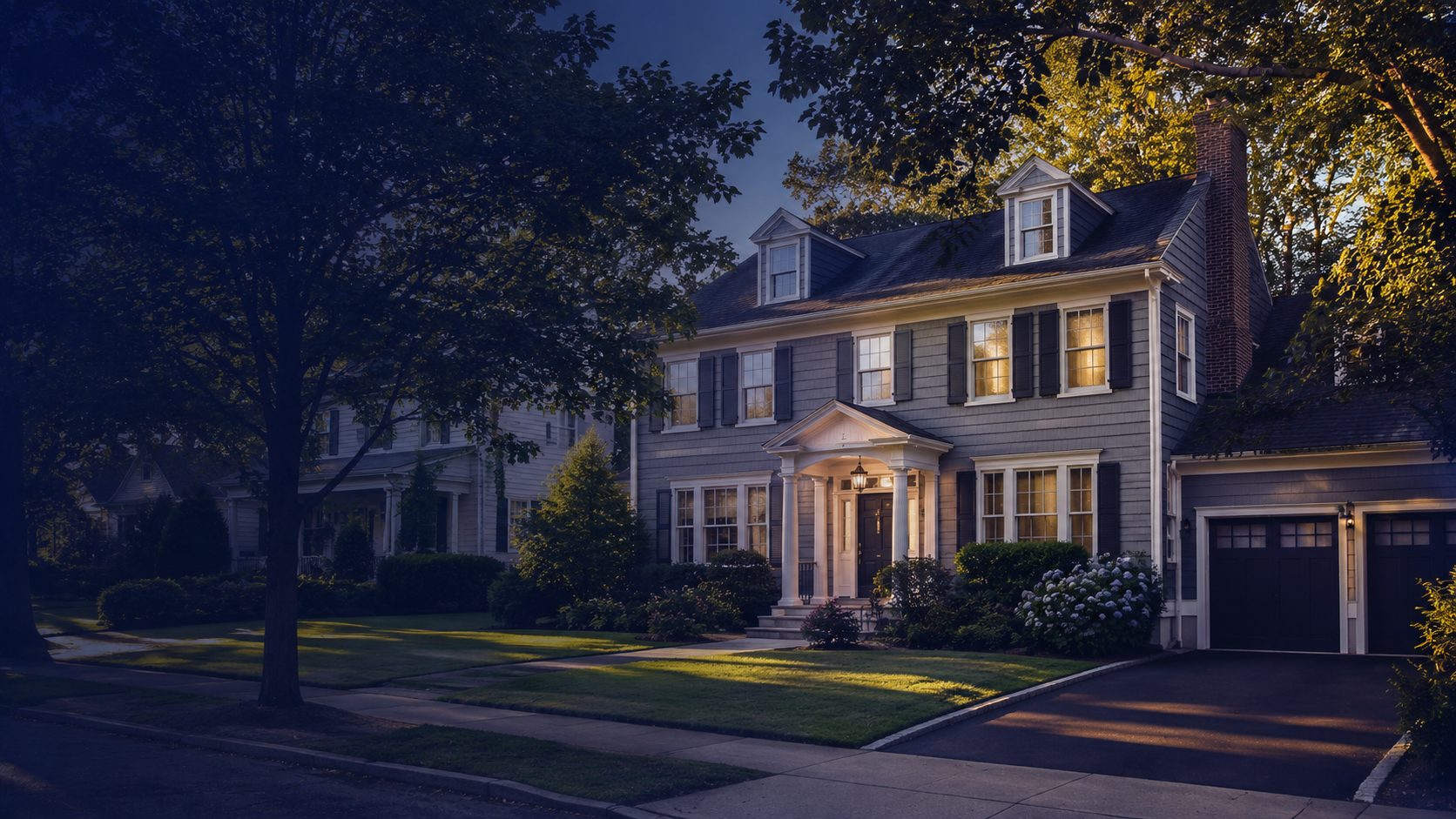
One of the most common inputs into a seller's price expectation is a simple one: what did my neighbor sell for? If the house three doors down sold for $780,000 last spring, the logic seems obvious – your home should sell for at least as much, probably more.
This reasoning is intuitive, natural, and frequently leads to overpricing. Here's why the neighbor comparison often misleads – and what the right comparison framework actually looks like.
The Comparability Problem
The word "comparable" in real estate has a specific, technical meaning that casual use distorts. A comparable sale is a property that is genuinely similar to yours in the characteristics that drive value: location (within the same sub-neighborhood and school district), size (within approximately 10% to 20% of your square footage), bedroom and bathroom count, lot size, age and construction type, and condition and update level.
Your neighbor's home may share a street address prefix and a general neighborhood, but differ meaningfully on several of these dimensions. The neighbor's home that sold for $780,000 might have had a finished basement that yours doesn't, a renovated kitchen while yours is original, a larger lot, or a better position on the street. Alternatively, it might have had fewer bedrooms, a smaller yard, or older mechanicals.
Each meaningful difference between the sold property and yours represents an adjustment to what the sale implies about your home's value. A home that sold for $780,000 with a renovated kitchen and finished basement tells you less about your un-renovated home than it appears to.
Time Decay in Market Comparables
The real estate market is not static. A sale from fourteen months ago reflects the market conditions, buyer demand, and competitive inventory that existed at that time – which may be meaningfully different from conditions today.
In a market where prices have softened since your neighbor's sale, their price is a ceiling you may not reach, not a floor you're guaranteed. In a market where prices have risen, their price may understate your home's current value.
Comparable sales lose relevance as they age. A rigorous CMA focuses on sales from the past three to six months; in fast-moving markets, even more recent data is preferred. Sales from more than a year ago require significant scrutiny and should be adjusted for market movement.
The List Price vs. Sale Price Confusion
Sellers often refer to what a neighbor "listed for" rather than what they actually sold for – and these numbers can be substantially different. A home listed at $800,000 that sold after a price reduction at $745,000 doesn't support a listing strategy of $800,000 for your home; it supports a market value around $745,000.
Always track actual closed sale prices, not list prices. The sale price is what the market confirmed as value. The list price is what the seller hoped for – a meaningful distinction.
What a Rigorous Comparable Analysis Actually Does
A proper CMA doesn't just grab the three nearest sales and average them. It identifies sales that are genuinely comparable on the key dimensions, adjusts each comparable for specific differences from your property using market-supported adjustment values, and synthesizes that adjusted data into a defensible value range for your home.
This process often produces a price that is different from the neighbor's sale – sometimes higher if your home is superior in ways the raw sale price didn't capture, sometimes lower if the neighbor's home had advantages yours doesn't.
The right price for your home is the one supported by the evidence, adjusted for your specific property – not the one that feels most flattering based on an unadjusted comparison to the house down the street.
I provide every seller with a rigorous, adjusted CMA that gives them accurate pricing information rather than the reassuring but often misleading neighbor comparison. Accurate pricing produces better outcomes than optimistic pricing. Call me at (321) 447-4259 or visit movewithricky.com.
Rakesh (Ricky) Khanna | Licensed Real Estate Salesperson
Better Homes and Gardens Real Estate Realty Connect
Call or text: (321) 447-4259 | movewithricky.com
 |
 |
 |
 |
 |


