

 Facebook
 X
X
 Pinterest
 Copy Link
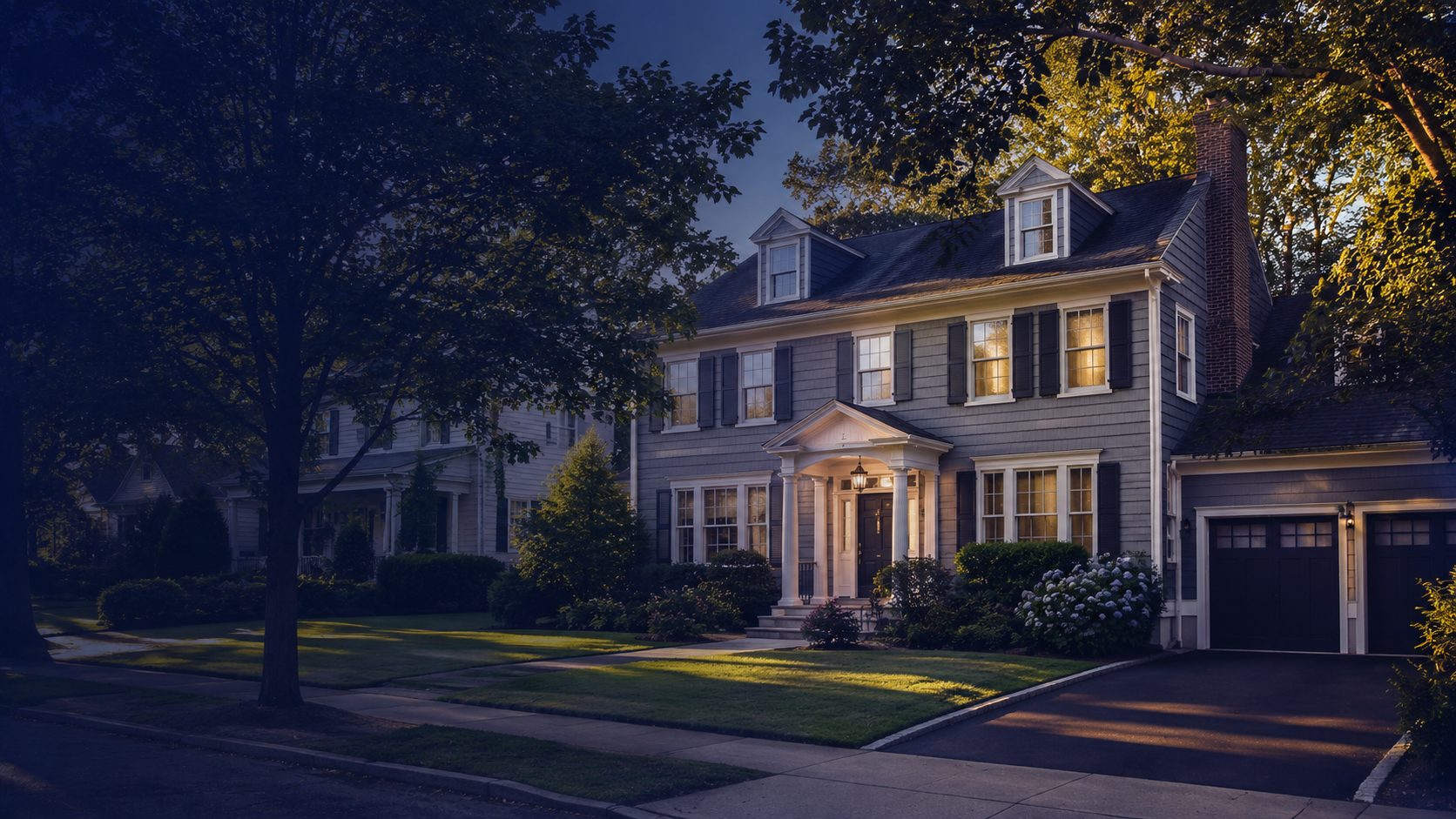
If you've looked up your home on Zillow recently, you've seen the Zestimate – an algorithmically generated estimate of your home's current market value. Depending on what that number said, you may have felt reassured, delighted, or disappointed.
Here's what you need to know: the Zestimate, and similar automated valuation tools from other platforms, are systematically and significantly inaccurate in New York real estate – often by margins large enough to materially affect your decision-making if you rely on them.
How the Zestimate Is Calculated
Zillow's Zestimate uses a machine learning algorithm that ingests publicly available data: property tax records, prior sale prices, MLS listing history, and physical property characteristics. It attempts to estimate current market value by comparing this data to recent sales of similar properties.
The algorithm is designed for scale – it must produce estimates for millions of properties across wildly different markets simultaneously. This scale-first design means it cannot incorporate the local, property-specific, and contextual knowledge that determines accurate value in complex markets.
Why New York Is Particularly Bad for Automated Valuations
New York's real estate market has specific characteristics that make it especially resistant to accurate algorithmic valuation.
Property diversity within small geographies. Two homes that are literally on adjacent lots in the same New York neighborhood can have dramatically different values due to school district boundaries, specific block characteristics, or property-specific features that public records data doesn't capture. An algorithm working from zip code-level data can't see these differences; a local agent who works the market daily can.
Assessment value disconnects. New York's assessed values – which feed into valuation algorithms – are notoriously disconnected from market values in many jurisdictions. New York City property assessments, Nassau County assessments, and assessments in many upstate municipalities can differ from market value by 30%, 50%, or more. An algorithm that uses assessed value as an input is building on a flawed foundation.
Co-op and condo complexity. The co-op and condominium markets in New York have specific factors – building financial health, board restrictions, flip taxes, monthly maintenance charges – that dramatically affect value but are invisible to algorithms working from basic public data.
Low transaction volume in specific segments. Automated valuations work best with high transaction volume to draw on for comparisons. In many New York neighborhoods – particularly at higher price points – there are simply not enough comparable transactions to generate accurate estimates.
The Documented Inaccuracy
Zillow publishes its own accuracy data, expressed as a "median error rate." Even by Zillow's own measures, the Zestimate's median error rate in many markets is 3% to 7%. In complex markets like New York, the actual error rate experienced by sellers and agents is frequently higher.
On a $750,000 home, a 7% error is $52,500. This means the Zestimate on your specific home might be $52,500 too high or too low – and you can't know which without an actual market analysis.
The practical consequence: sellers who price based on a Zestimate that is 7% too high list above market value, generate the overpricing dynamic described in previous posts, accumulate days on market, and ultimately sell for less than a correctly priced home would have produced. Sellers who price based on a Zestimate that is 7% too low leave money on the table that was genuinely available.
What Sellers Should Use Instead
A Comparative Market Analysis from a licensed real estate agent who actively works in your specific market is substantially more accurate than any automated valuation tool, for the simple reason that it incorporates the local knowledge, property-specific factors, and current market dynamics that algorithms cannot access.
A professional CMA involves selecting genuinely comparable sales, adjusting for specific differences between those sales and your property, and applying current market context – all of which require human judgment informed by direct market participation.
The CMA is also free – any agent you're considering for your listing will provide one at no cost and with no obligation. There is no reason to rely on an algorithm's estimate when an actual market analysis is available.
Using Zillow Productively
This post is not an argument that Zillow is useless. For buyers doing preliminary research, for understanding broad price ranges in a neighborhood, and for tracking general market trends, these platforms provide genuine value.
The specific mistake to avoid is using an automated estimate as the basis for a listing price decision – a decision with direct financial consequences that warrant accurate information.
I provide accurate, evidence-based home valuations to every New York homeowner who wants to understand what their home is actually worth. It takes more time than an algorithm, and it's significantly more accurate. Call me at (321) 447-4259 or visit movewithricky.com.
Rakesh (Ricky) Khanna | Licensed Real Estate Salesperson
Better Homes and Gardens Real Estate Realty Connect
Call or text: (321) 447-4259 | movewithricky.com
 |
 |
 |
 |
 |


