

 Facebook
 X
X
 Pinterest
 Copy Link
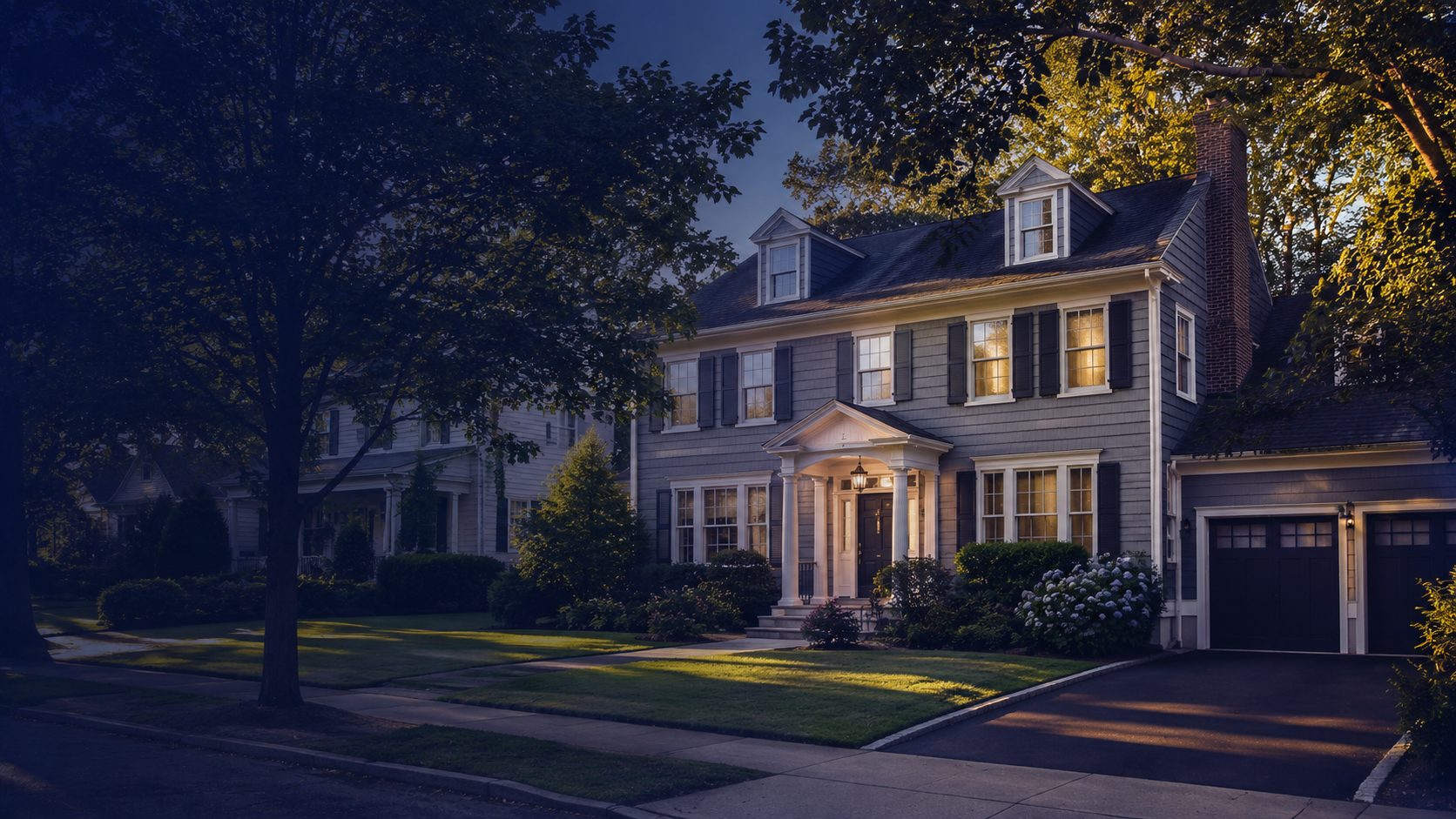
You've priced your home well, prepared it carefully, launched it effectively, and received an offer at or above your asking price. Contracts are signed. Then the appraisal comes back lower than the purchase price.
This scenario – a "low appraisal" or "appraisal gap" – is one of the most stressful developments in a home sale, particularly in competitive markets where offers above asking are common and the risk of the appraisal not supporting the price is elevated. The good news: it is a manageable situation with several paths to resolution.
Here's exactly what happens and what your options are.
Why Low Appraisals Happen
Appraisals are based on comparable closed sales – what similar homes have actually sold for in the recent past. In a rising market or a particularly competitive property situation, an offer price may reflect the current buyer-demand dynamics more than the historical sales data an appraiser must work from.
If homes in your neighborhood sold for $650,000 to $680,000 six months ago and you've just accepted an offer of $710,000, the appraiser may value the property at $680,000 or $690,000 based on the available comparables – even though the current market clearly supports the higher price. The appraisal is looking backward. The market is moving forward.
Low appraisals can also result from appraiser error – incorrect comparable selection, failure to account for significant recent upgrades, or errors in the property description. These are worth identifying and challenging when they occur.
What a Low Appraisal Means for the Transaction
When a home appraises below the purchase price, the buyer's lender will only lend based on the appraised value, not the contracted price. A buyer who agreed to pay $710,000 for a home appraised at $680,000 has a $30,000 gap that must be resolved.
The lender's position is clear: they will lend the appropriate loan-to-value percentage of $680,000, not $710,000. The buyer either needs to cover the additional $30,000 from other sources, or the purchase price needs to come down, or a combination of both.
Your Options as a Seller
Option 1: Reduce the purchase price to the appraised value. The simplest resolution from a logistical standpoint. You agree to accept $680,000 instead of $710,000, the deal proceeds, and everyone closes as planned. From a financial standpoint, this is the most costly option for you – you're giving up $30,000 from your contracted price.
Option 2: Ask the buyer to cover the gap. Some buyers – particularly those who offered aggressively in a competitive situation and are financially capable – will agree to cover the appraisal gap in cash. This means they're paying the difference between the appraised value and the contracted price out of pocket in addition to their planned down payment. From your perspective, this is the best outcome – you receive your full contracted price.
Option 3: Meet in the middle. A negotiated split is common when the gap is moderate. You reduce the price by half the gap amount; the buyer covers the other half in cash. In a $30,000 gap, you reduce to $695,000 and the buyer covers $15,000 additionally. Both parties absorb part of the appraisal impact.
Option 4: Challenge the appraisal. If you and your agent believe the appraisal is genuinely inaccurate – not just lower than you hoped for, but actually based on flawed analysis – you can request a reconsideration of value through the buyer's lender. This requires providing specific, documented evidence: recent closed sales that the appraiser did not consider that support a higher value, or factual errors in the appraisal report.
A successful reconsideration requires more than disagreement – it requires evidence. Your agent should review the appraisal report carefully for comparable selection errors, adjustments that appear to be incorrect, or any factual misstatements about the property. If legitimate grounds exist for a reconsideration, they should be documented and submitted promptly, because lenders have specific deadlines for this process.
Option 5: Find a new buyer. If the gap cannot be resolved through negotiation and the appraisal challenge fails, the buyer may exercise their appraisal contingency and exit the contract. You then return to the market. This is the least preferred outcome – you've lost time, accumulated days on market, and may face tougher buyer negotiating postures on subsequent offers. Reserve this option for situations where the gap is large and the buyer is unwilling to contribute anything.
How to Prevent Low Appraisal Problems
The most effective protection against appraisal issues is ensuring that your listing price and the offers you entertain are grounded in defensible comparable sales data. If your accepted offer is based on legitimate comparable evidence and isn't simply the product of unrealistic competition in a thin market, the appraisal is less likely to create a significant gap.
When in competitive situations where an accepted offer may exceed recent comparables, your agent should proactively prepare a comparable sales package for the appraiser – a concise, organized summary of the most relevant recent sales that support the purchase price, provided to the appraiser at the time of their property visit. This is entirely appropriate, and an experienced agent routinely does it for transactions where appraisal risk is elevated.
I prepare every seller for the possibility of an appraisal gap before it happens, and when one occurs, I navigate the resolution strategically to protect as much of your contracted price as possible. Call me at (321) 447-4259 or visit movewithricky.com.
Rakesh (Ricky) Khanna | Licensed Real Estate Salesperson
Better Homes and Gardens Real Estate Realty Connect
Call or text: (321) 447-4259 | movewithricky.com
 |
 |
 |
 |
 |


