

 Facebook
 X
X
 Pinterest
 Copy Link
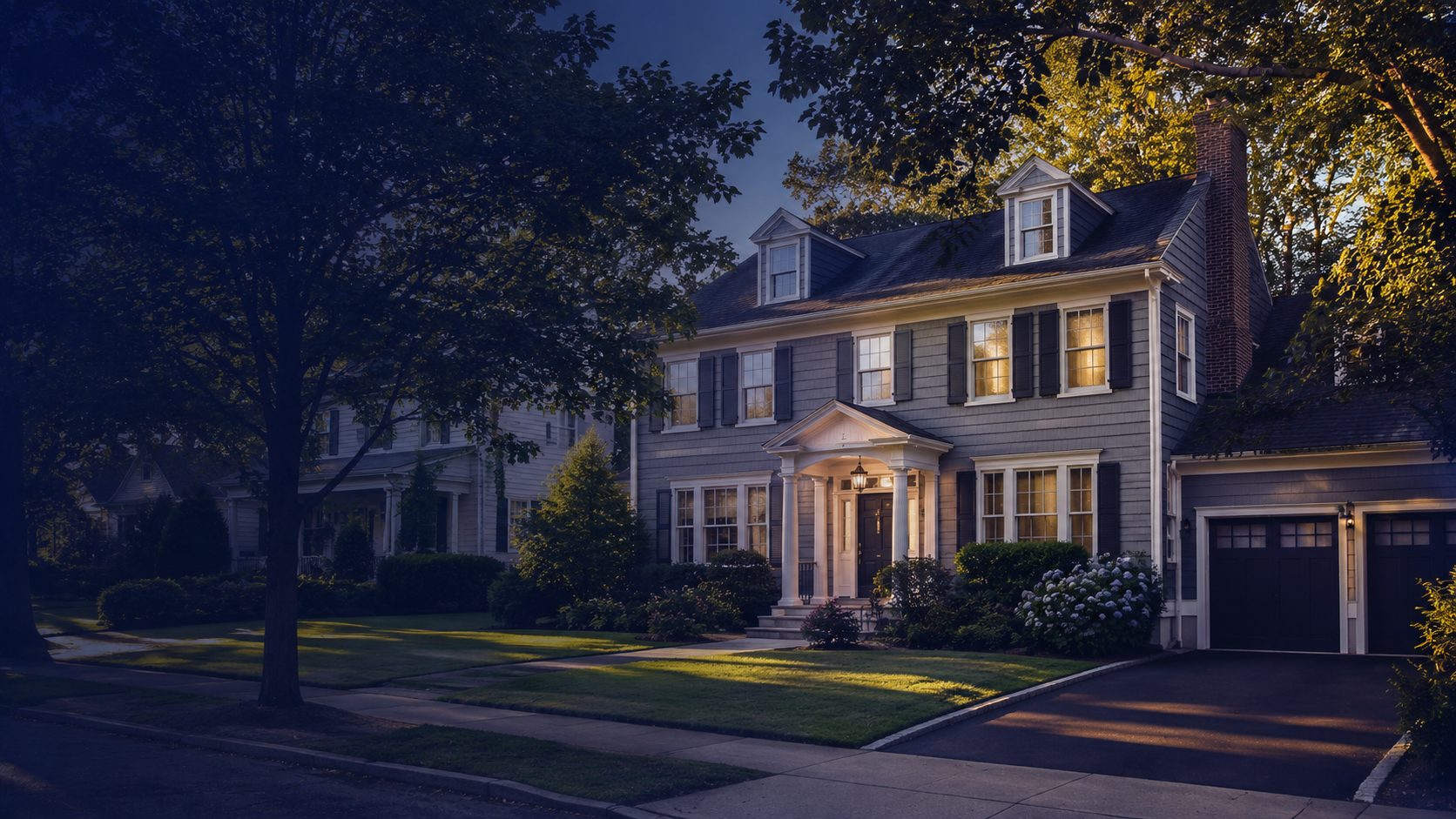
One of the most consequential – and frequently mishandled – decisions sellers face is how much to spend preparing their home for sale, and specifically, what to fix, update, or improve versus what to leave alone. Get this right and you recover far more than you spent. Get it wrong and you've invested thousands of dollars in improvements that buyers don't value, while possibly neglecting things that actually mattered.
The guiding principle is simple but requires discipline to follow: spend money on improvements that will meaningfully increase buyer interest or final sale price by more than the cost of the improvement. Skip improvements that won't.
The High-Return Improvements That Almost Always Pay Off
Fresh paint in neutral colors. Interior painting is consistently one of the highest-return investments a seller can make. Fresh, neutral paint on walls and trim makes a home feel clean, well-maintained, and move-in ready – which directly affects buyer perception and reduces the ammunition buyers have for negotiating price reductions. For most homes, professional interior painting costs $3,000 to $7,000 and returns multiples of that in buyer perception and often in final sale price. This is almost always worth doing.
Deep professional cleaning. A home that smells fresh and looks spotlessly clean signals care and maintenance to buyers in a way nothing else does. Professional cleaning – including windows, baseboards, grout, appliances, and every corner – costs $300 to $700 for most homes. The return is immediate and substantial. There is no scenario in which professional cleaning before a listing is not worth the cost.
Curb appeal basics. The exterior of your home is what buyers see first – in listing photos and in person. Mowed and edged lawn, trimmed shrubs, pressure-washed driveway and walkway, clean gutters, a freshly painted or cleaned front door, and working exterior lighting are inexpensive individually and collectively transform the first impression your home makes. Budget $500 to $2,500 for most homes. The return is disproportionate to the cost.
Updating dated fixtures. Replacing brass door hardware with brushed nickel, swapping outdated light fixtures for something clean and contemporary, and updating faucets in kitchens and bathrooms are cosmetic updates that cost relatively little – often $100 to $300 per item – and have an outsized impact on how current and well-maintained the home appears. Buyers notice these details, and dated fixtures in an otherwise good home can create a perception of age and neglect that affects offers.
Addressing obvious deferred maintenance. Leaking faucets, cracked switch plates, broken window latches, stuck doors, missing caulk around tubs and showers, and similar minor maintenance items are inexpensive to fix and create a powerful negative impression if left unaddressed. Buyers and their inspectors will find these items. When a home has numerous small deferred maintenance items, buyers extrapolate – they assume larger issues exist that they haven't found yet. Fix the small things.
The Medium-Return Improvements That Depend on Circumstances
Kitchen updates short of a full remodel. A full kitchen renovation rarely returns its full cost in a home sale – the cost is too high relative to the value added. But targeted kitchen updates can be worth doing depending on how dated the kitchen is and what comparable homes in your area offer. Painting or refacing cabinet doors rather than replacing them, updating countertops, and adding new hardware can refresh a dated kitchen for $5,000 to $15,000 versus $50,000 to $80,000 for a full renovation. Discuss with your agent whether your kitchen needs updating and to what degree.
Bathroom refreshes. Similar logic applies to bathrooms. A full gut renovation of a functional bathroom rarely pays for itself in a sale. Re-caulking, re-grouting, updating fixtures, and replacing the toilet seat transforms a dated bathroom's appearance for a fraction of what a renovation costs. If a bathroom is in genuinely poor condition – broken tile, failing fixtures, mold issues – more substantial work may be warranted.
Flooring. Worn or badly stained carpet in high-traffic areas is worth replacing – it reads as dirty and tired to buyers regardless of how clean it actually is. Hardwood floors in poor condition benefit from refinishing. New luxury vinyl plank flooring is an increasingly popular, durable, and attractive option at a moderate price point. What's not worth doing: replacing flooring that is in reasonable condition because you personally prefer something different.
The Low-Return Improvements to Approach With Caution
Major renovations. Full kitchen remodels, bathroom additions, significant structural work, or room additions rarely return their full cost in a home sale. These are improvements that add value over time during homeownership – but in a sale, buyers discount the cost of the seller's taste in finishes, and the payback timeline for major renovations is typically long. Unless the home is genuinely not saleable without a specific major repair, approach large renovations with caution in the context of a sale.
Highly personalized improvements. Renovations that reflect very specific personal taste – bold colors, unusual finishes, unconventional design choices – may reduce buyer appeal even if they represent significant investment. Neutralize rather than personalize when preparing for sale.
Luxury additions in non-luxury markets. Adding high-end finishes or features to a home in a market where comparable homes don't have those features rarely returns the investment. Know what your market expects and meet that standard – exceeding it typically benefits the next owner more than it benefits you at sale.
The Most Important Step Before Spending Anything
Before you spend a dollar on pre-sale improvements, have your listing agent walk through your home and give you a prioritized list of what to address and what to skip. A good agent has seen hundreds of buyers walk through hundreds of homes, and they know which specific elements drive buyer decisions in your market and price range.
This conversation – which should happen before any contracts are signed or any contractors are called – is the most financially protective thing a seller can do. It ensures that every dollar you spend on preparation is a dollar spent strategically, not reflexively.
I provide every seller I work with a specific, prioritized pre-sale preparation plan based on their home, their market, and their budget. The goal is always to maximize your return on every dollar spent and avoid spending money where it won't make a difference. If you're getting ready to sell your New York home, let's start with that conversation. Call me at (321) 447-4259 or visit movewithricky.com.
Rakesh (Ricky) Khanna | Licensed Real Estate Salesperson
Better Homes and Gardens Real Estate Realty Connect
Call or text: (321) 447-4259 | movewithricky.com
 |
 |
 |
 |
 |


