

 Facebook
 X
X
 Pinterest
 Copy Link

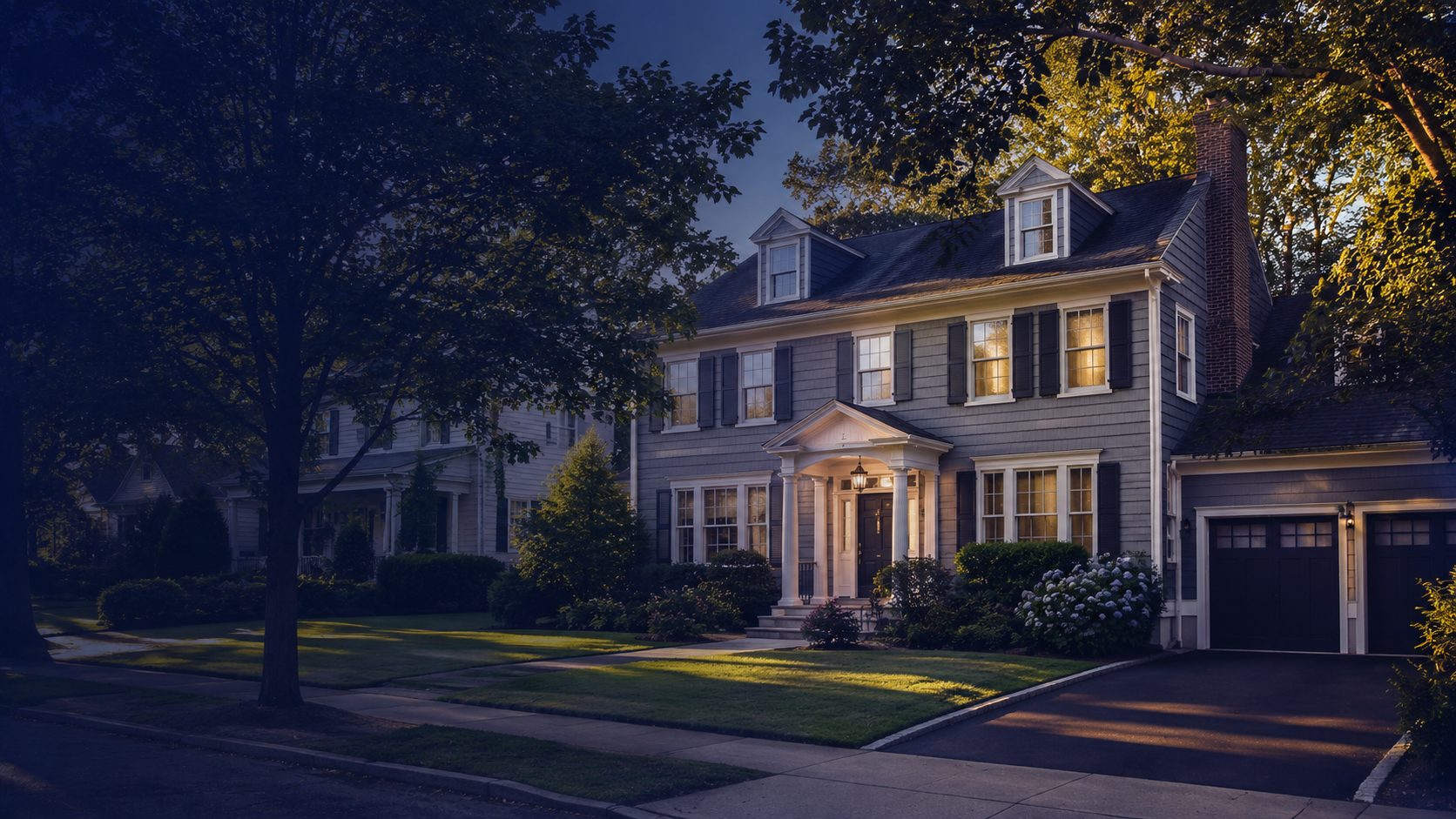
"Pass" is slightly misleading as a concept for home inspections – there is no official pass/fail standard, and every home of any age produces an inspection report with findings. But the difference between an inspection report that creates buyer confidence and one that triggers aggressive negotiations or makes buyers question the purchase is real, and it's within sellers' influence.
Here's how to prepare your home specifically for the inspection process.
What Inspectors Are Looking For
Licensed home inspectors in New York conduct visual, non-invasive examinations and produce written reports describing the condition of each major system and component. They're not looking to find reasons to kill a deal – they're documenting what they observe.
What triggers the most significant buyer concern:
Active safety hazards. Exposed electrical wiring, improperly wired electrical panels, carbon monoxide or fire safety issues, structural instability. These are non-negotiable concerns that buyers and their lenders take seriously and that sellers should address before listing if at all possible.
Evidence of water intrusion. Staining on ceilings, efflorescence or moisture on basement walls, visible mold, wet insulation. Water concerns trigger significant buyer anxiety because their extent and source are often unknown and repair costs can be substantial. If you have water history, document the cause, the remediation, and the absence of recurrence.
Deferred maintenance on major systems. An HVAC system that runs poorly, a water heater past its service life, electrical panel issues. These signal that the home hasn't been well-maintained and lead buyers to assume additional problems.
Roof condition. Inspectors assess the roof's condition and remaining useful life. A roof at or near the end of its life is a significant inspection concern that affects offers and negotiations.
What Sellers Can Do Before the Inspection
Service the HVAC. Have your heating and cooling systems professionally serviced before listing, and have a service record available. A system that's been recently serviced, with documentation, creates confidence even if the system is older.
Address visible water indicators. If there are ceiling stains from a leak that has been fixed, paint over them after confirming the leak is fully resolved. Note the resolution in your disclosure. A visible stain, even from a historically resolved issue, triggers buyer concern disproportionate to the actual risk.
Fix the obvious small things. Broken outlet covers, non-functioning light switches, missing caulk around tubs and showers, sticking doors, and similar minor items are inexpensive to fix and create a strong impression of a well-maintained home when they're all addressed. Conversely, a home with ten minor deferred items signals to buyers and inspectors that larger issues may have been similarly neglected.
Make every area accessible. Inspectors need access to the attic, the electrical panel, the basement, the HVAC equipment, and any crawl spaces. Clear paths to all of these before the inspection. Inspectors who can't access areas they're required to examine typically note the limitation in the report, which raises questions.
Provide documentation. Warranties for appliances and systems, service records for HVAC, receipts for significant repairs, permits for improvements – all of this documentation helps the inspector understand what's been maintained and when. Leave it organized in the home for the inspection.
What You Can't Control
Some inspection findings are simply the reality of your home's age, location, or condition. Homes built in certain eras have specific common issues – knob-and-tube wiring in older construction, cast iron drain pipes in mid-century homes, polybutylene plumbing in homes from the 1970s-1990s. These are what they are, and attempting to conceal or minimize them creates problems.
The right approach to known issues that can't be resolved before listing is full disclosure, accurate pricing that reflects the condition, and a prepared response to the inspection negotiation when those issues are raised.
I prepare every seller for the inspection process with specific, prioritized guidance on what to address before listing. The goal is to minimize the gap between what the inspection reveals and what buyers expected – and to handle what remains with clear strategy. Call me at (321) 447-4259 or visit movewithricky.com.
Rakesh (Ricky) Khanna | Licensed Real Estate Salesperson
Better Homes and Gardens Real Estate Realty Connect
Call or text: (321) 447-4259 | movewithricky.com
 |
 |
 |
 |
 |


