 Facebook
 X
X
 Pinterest
 Copy Link
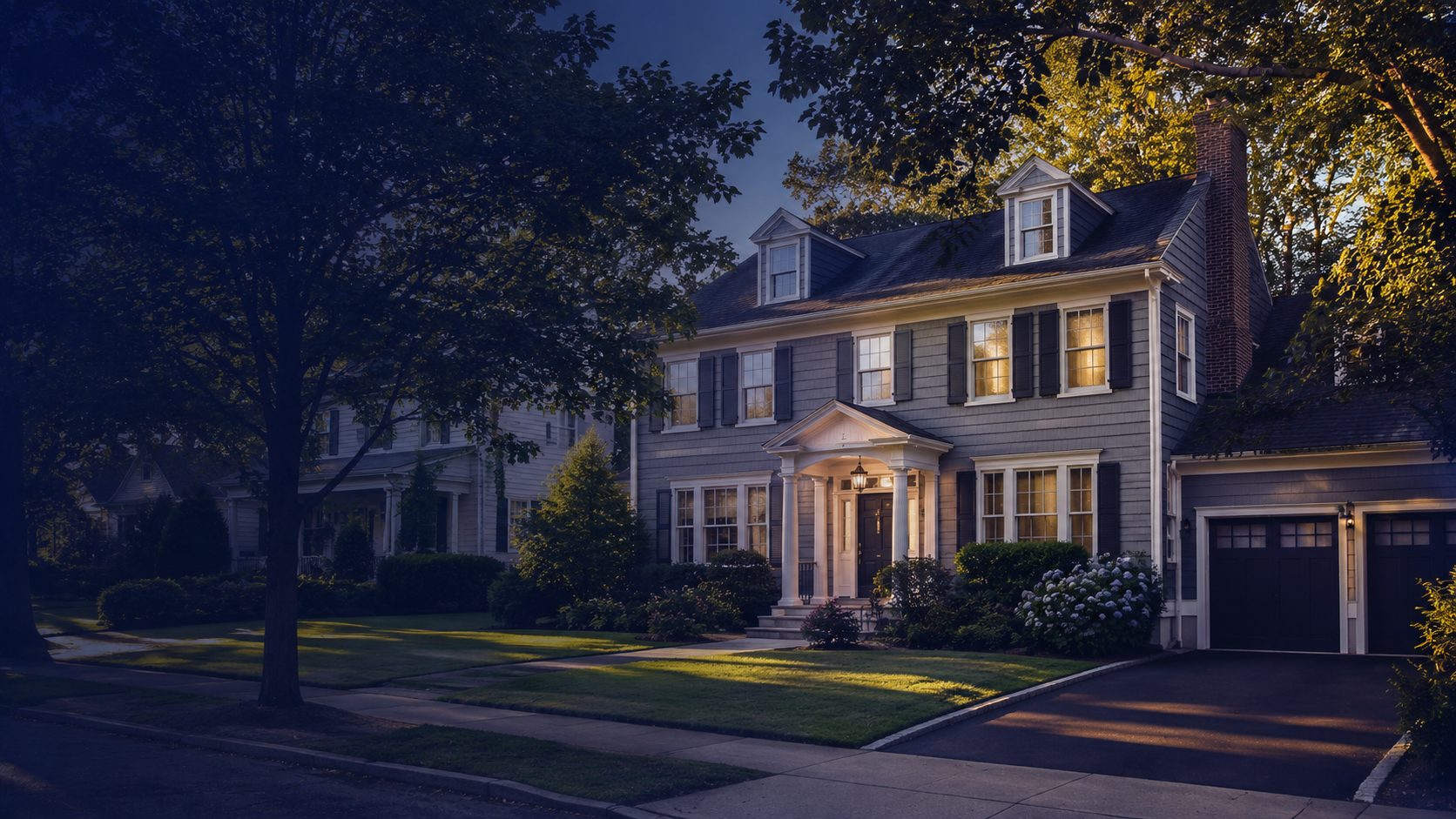
When you sign a listing agreement, you're entering a partnership with an expectation: the agent will market your home effectively enough to generate maximum buyer interest, competition, and ultimately the highest possible price. But "marketing" means very different things to different agents, and many sellers don't discover the gap between what they expected and what they received until they've already watched their listing sit without adequate activity.
Here is a clear picture of what a comprehensive, effective home marketing campaign in New York actually looks like in 2026 – and why each element matters.
The MLS: The Foundation That Everything Else Builds On
The Multiple Listing Service is the primary distribution platform for residential real estate listings in New York. When your agent enters your listing into the MLS, it automatically syndicates to Zillow, Realtor.com, Redfin, Trulia, and dozens of other buyer-facing platforms. This is the channel through which the vast majority of buyer's agents find homes for their clients, and it is non-negotiable.
But the MLS is not just a data entry exercise. The quality of the MLS listing – the accuracy and completeness of the property data, the quality of the photographs, the search keywords embedded in the description, and the listing description itself – affects how your home appears in buyer and agent searches and how compelling it looks when found.
A poorly constructed MLS entry with incomplete data, missing room dimensions, and a generic description fails buyers and their agents who need accurate information to make showing decisions. A well-constructed entry with complete, accurate data, outstanding photography, and a well-written description performs significantly better.
Professional Photography: Revisited in the Context of Marketing
Previous posts have addressed photography from the home preparation perspective. In the marketing context, professional photography is the content that drives performance across every other channel – social media, email, the MLS, digital advertising, and print materials all depend on the quality of the visual assets your photographer creates.
An agent who uses listing photography produced by a professional real estate photographer has marketing content that performs better everywhere it appears. An agent who uses smartphone photos has content that underperforms everywhere. The $400 to $600 cost of professional photography is not an agent expense – it's a marketing investment that benefits you, the seller.
Video content has become increasingly important and should be part of the discussion for most listings. A professionally produced walkthrough video or a compelling Reel-format clip of the property creates content that performs exceptionally well on social media platforms and captures buyer attention in ways still photography alone cannot.
Digital Advertising: Reaching Buyers Who Aren't Yet Looking
The MLS and its syndication partners capture buyers who are already actively searching. Digital advertising – on Facebook, Instagram, and Google – captures buyers who aren't yet on the platforms but who fit the demographic profile of likely buyers for your home.
Targeted Facebook and Instagram advertising allows your agent to show your listing to users in specific age ranges, income brackets, locations, and with specific behavioral indicators of home-search interest. A buyer who hasn't yet opened a real estate app but who fits the profile of someone who might buy your home can be shown a compelling visual of your property in their social media feed.
For listings in the $400,000 and above range in New York, a modest paid social media advertising budget – $300 to $600 for the listing period – can generate meaningful additional exposure to a qualified audience that organic reach doesn't capture. Ask your agent whether they include paid advertising in their listing service.
Email Marketing to the Agent Community
This is one of the most underappreciated marketing channels available to listing agents, and one that the best agents use consistently and effectively.
Buyer's agents who have active buyers searching in your price range and neighborhood are the most immediately relevant audience for your new listing. An email announcement to that community – from an agent with established professional relationships and a credible reputation – creates awareness among the professionals who are most directly positioned to bring you a buyer.
The quality of an agent's professional network directly affects the impact of this channel. An agent who is active in local real estate associations, who has closed deals with a wide range of buyer's agents, and who is known and respected in the professional community generates more attention for their email announcements than one who is relatively unknown.
Open House Strategy
As discussed in a previous post, open houses are a complement to private showings, not a substitute. A well-promoted open house in the first weekend of a listing serves multiple purposes: it creates a visible event that signals activity and desirability, it captures buyers who may be in early stages of their search, and it provides real-time buyer feedback that informs subsequent strategy.
Your agent should promote the open house through MLS, social media, signage, and email – not simply show up and unlock the door. An open house that isn't promoted is an empty experience.
A Compelling Listing Description That Does Real Work
The listing description is the narrative component of your marketing, and it's the element that most commonly receives the least attention from agents. Many listing descriptions are formulaic, generic, and fail to distinguish the property in any meaningful way – "beautiful home with updated kitchen" tells buyers almost nothing that differentiates your home from any other.
An effective listing description does several specific things. It leads with the most compelling feature of the home – not the address or a generic label, but the thing that makes this specific home distinctive and worth visiting. It uses sensory and experiential language that helps buyers imagine being in the space. It highlights specific features that appeal to the likely buyer profile for this home. And it ends with a clear call to action.
The difference between a listing with a strong, specific description and one with a boilerplate filler description is real, both in the number of showings generated and in the quality of buyer interest.
Consistent Communication and Campaign Management
Marketing isn't a launch-and-forget exercise. Your agent should be actively managing the listing's performance throughout its market time – tracking showing volume versus comparable listings, gathering and synthesizing buyer feedback after every showing, monitoring competitive new listings that affect your market position, and making proactive recommendations when adjustments are warranted.
An agent who calls you when there's an offer and is otherwise silent is not managing your listing – they're waiting for something to happen. An agent who provides weekly updates on activity, feedback, and market context is actively working for you.
Every listing I take on receives a comprehensive, multi-channel marketing campaign with professional photography, targeted digital advertising, active agent outreach, and consistent performance management. If you want to sell your New York home with a marketing approach that reaches every relevant buyer, let's talk. Call me at (321) 447-4259 or visit movewithricky.com.
Rakesh (Ricky) Khanna | Licensed Real Estate Salesperson
Better Homes and Gardens Real Estate Realty Connect
Call or text: (321) 447-4259 | movewithricky.com
 |
 |
 |
 |
 |


