

 Facebook
 X
X
 Pinterest
 Copy Link
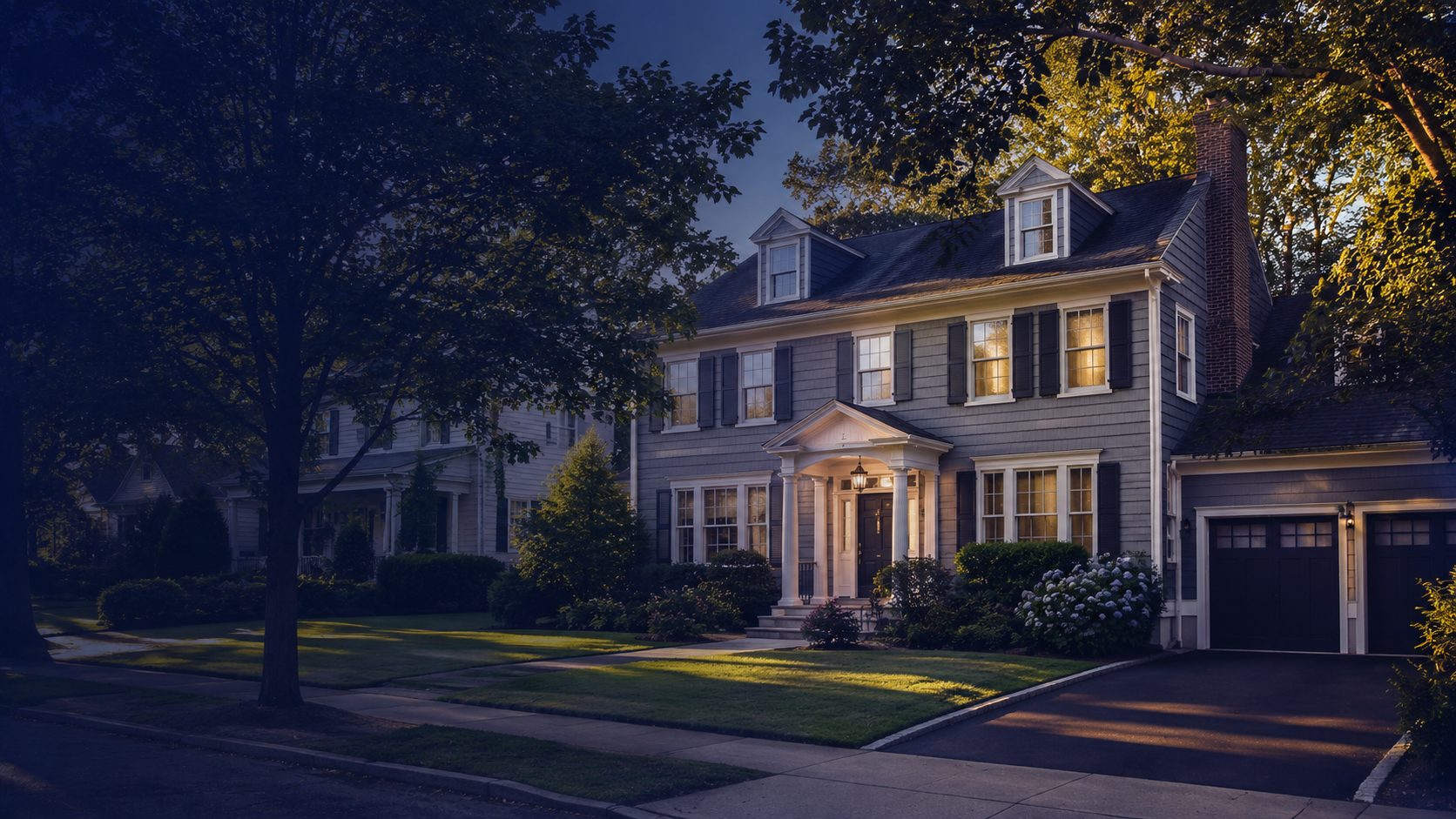
If you've ever sold a home or spent time looking at real estate listings, you know the difference between a home that photographs and shows beautifully versus one that doesn't. What you may not have quantified is how much that difference is worth in actual dollars – because the answer is significant enough to take seriously.
Home staging is one of those topics where sellers are sometimes skeptical. "My home is perfectly presentable," is a common response when the subject comes up. Or: "Buyers can see past furnishings – they're buying the structure and the location."
Both of those statements are psychologically incorrect when it comes to how buyers actually make decisions. Here's what the evidence shows and how to think about staging as a financial strategy rather than a cosmetic nicety.
What Staging Actually Is
Home staging is the process of preparing and presenting a home for sale in a way that maximizes its appeal to the broadest possible pool of buyers. This includes furniture selection and arrangement, décor choices, lighting, color palette, and the deliberate removal of anything that personalizes the space too specifically or creates visual clutter.
Staging ranges from minimal (working with the existing furniture and décor to optimize the space) to comprehensive (bringing in professional furniture, artwork, and accessories – particularly for vacant homes). Not every home needs, or financially benefits from, the full service. The right level of staging depends on the home's price point, current condition, and the local market.
What the Data Says
The National Association of Realtors conducts periodic surveys on the impact of staging, and the findings are consistently compelling. Staged homes sell faster than unstaged homes – often significantly faster. They also sell for more. The return on investment varies by market and staging approach, but sellers who invest in staging typically see returns of 5% to 15% or more on the staging cost in terms of increased sale price.
In New York specifically, where the average sale price means that a 5% improvement translates to tens of thousands of dollars, this is not a trivial consideration. A $700,000 home that sells for 5% more because of effective staging generates $35,000 in additional proceeds – against a staging cost that might be $2,000 to $5,000 for a moderately priced service.
What Buyers Are Actually Doing When They Walk Through a Home
Understanding why staging works requires understanding buyer psychology. Buyers are not, as they often claim to be, purely analytical about their home search. They make emotional decisions and then rationalize them with data. The emotional decision – "I could see myself living here" – happens in the first thirty to sixty seconds of a showing.
Staging is designed to trigger that emotional response as powerfully and immediately as possible. A well-staged room communicates proportions, possibility, and lifestyle in a way that an empty room or a room full of personal items simply cannot. Buyers who walk into a beautifully staged home immediately understand how the space could be used, what it could feel like to live there, and how it fits the life they're imagining.
Empty homes – which are common in New York when sellers have already moved out – present a particular challenge. Empty rooms look smaller than furnished rooms (counterintuitive but true). Buyers struggle to understand the scale and function of the space. Professional staging of a vacant home is almost always worth the investment.
The Specific Elements That Make the Biggest Difference
Not all staging has equal impact. These are the elements that consistently make the most meaningful difference to buyers in New York:
The main living areas. The living room, dining area, and kitchen are where buyers spend the most time and form the strongest impressions. Getting these right is the priority.
The primary bedroom. Buyers have strong emotional responses to primary bedrooms. It should feel like a sanctuary – clean, soft, restful, and beautifully made up.
The entryway. First impressions are formed here. A welcoming, well-styled entry primes buyers positively for everything they see afterward.
Natural light. One of the most powerful staging tools costs nothing: maximize natural light by opening every blind and curtain, cleaning windows, and removing any furniture or decor that blocks light from entering the room.
Neutral palette. Bold colors are polarizing. Neutral, warm tones on walls and soft furnishings appeal to the widest range of buyers and photograph better.
How to Think About Staging Costs
There are several approaches to staging that vary significantly in cost:
Working with what you have, with professional guidance from your listing agent or a staging consultant, is the least expensive option and works well for homes that are well-furnished and in good condition.
Renting furniture for vacant or sparsely furnished homes is more expensive – typically $2,000 to $6,000 for the most important rooms for a period of 60 to 90 days – but the impact on buyer response and photography is dramatic.
Some listing agents either offer staging services or have partnerships with staging companies that provide this as part of their service. Ask what's included in your listing agent's services.
A Note on Virtual Staging
Virtual staging – digitally inserting furniture and décor into photographs of empty rooms – has become more prevalent and more realistic. It is significantly less expensive than physical staging and can produce compelling listing photographs. However, it creates a potential disconnect when buyers who were attracted by the photos arrive for a showing and find the home empty. This disconnect can affect buyer experience. Virtual staging works best as a supplement to – not a replacement for – physical presentation.
Every home I list gets a detailed staging consultation before it goes to market. Whether that means minor adjustments to existing furnishings or coordinating a full staging package, my goal is for your home to make the strongest possible impression on every buyer who walks through the door. If you're thinking about selling, let's talk about what preparation your home needs to sell quickly and for the most money. Reach me at (321) 447-4259 or at movewithricky.com.
Rakesh (Ricky) Khanna | Licensed Real Estate Salesperson
Better Homes and Gardens Real Estate Realty Connect
Call or text: (321) 447-4259 | movewithricky.com
 |
 |
 |
 |
 |


