

 Facebook
 X
X
 Pinterest
 Copy Link
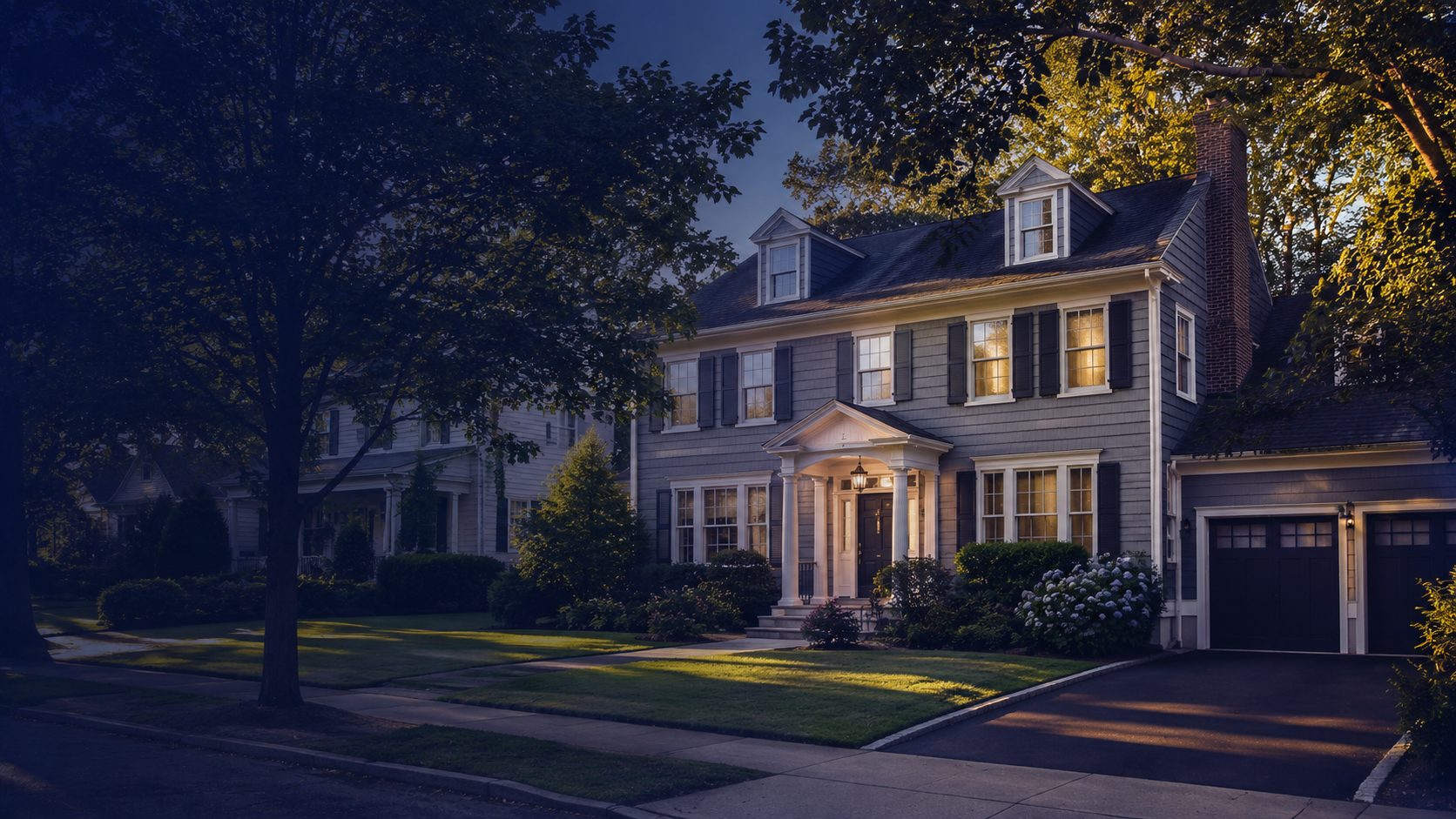
Open Zillow and read ten listing descriptions. You'll find that roughly eight of them sound almost identical – "stunning home," "gorgeous kitchen," "must see," "won't last long." These phrases communicate nothing specific, differentiate nothing about the property, and do nothing to help a buyer understand why this particular home is worth scheduling a showing.
The listing description is the one place in your marketing where words can create genuine desire – or genuine indifference. Here's how to write one that actually works.
What a Listing Description Is Supposed to Do
The purpose of a listing description is not to comprehensively catalog every feature of the home. That's what the data fields in the MLS listing are for. The description's specific job is to create an emotional response in likely buyers – to make them feel something about the property that photographs alone can't convey, and to give them a compelling reason to schedule a showing.
It accomplishes this by being specific rather than generic, by telling the reader what it feels like to be in the home rather than just what the home contains, and by helping the most relevant buyers self-identify – by calling out the features that matter most to the audience most likely to purchase.
The Opening Line: The Most Important Sentence in the Description
Most buyers see the opening line of a listing description in the search results, before they click through to the full listing. That opening line is either compelling enough to earn the click – and the showing – or generic enough to be skipped.
Compare these two opening lines for the same home:
Generic: "Beautiful 4-bedroom colonial in sought-after neighborhood, updated kitchen, move-in ready."
Specific and compelling: "On a quiet cul-de-sac in the Jericho school district, this thoughtfully updated colonial sits on a half-acre lot with a backyard large enough for the life most buyers have been picturing."
The second version tells a story. It communicates specific, meaningful information (Jericho school district is a known quality signal, cul-de-sac means low traffic, half-acre in this market is notable) and creates a visual image. It speaks directly to the family buyer who cares about all of these things.
The opening line should always lead with the single most compelling, specific, differentiating feature of the home – not with a generic label.
What to Include and How to Sequence It
After the opening, move through the home's key features in a sequence that mirrors the experience of being inside it – entry, main living areas, kitchen, bedrooms, bathrooms, outdoor space, and notable mechanical or structural features. This creates a narrative that helps buyers understand the floor plan and flow.
For each area, be specific. Not "updated kitchen" but "kitchen refreshed in 2023 with quartz countertops, subway tile backsplash, and stainless steel appliances that remain." Not "primary bathroom" but "primary bath with double vanity and a soaking tub that earns its footprint."
Include specific facts that matter to your buyer: lot size, garage capacity, school district, commute access, basement finish level, system ages (roof, HVAC, water heater) if they're favorable. These specifics build confidence and answer the questions buyers would otherwise need a showing to answer.
What to Avoid
Avoid adjectives that convey no information: stunning, gorgeous, beautiful, amazing, cozy, charming. These words are so overused in listing descriptions that buyers read past them without processing them. Replace every adjective-only phrase with a specific fact that makes the quality concrete.
Avoid real estate clichés entirely: "won't last long," "must see to appreciate," "priced to sell," "rare find." These phrases mark a listing as template-generated and signal that the description writer didn't put real thought into the specific home.
Avoid exaggeration or statements that won't hold up to scrutiny. If the kitchen is outdated, don't call it "classic." If the yard is small, don't call it "intimate retreat." Buyers visit the home and discover discrepancies between the description and reality, which damages trust and affects offer behavior.
The Closing: A Quiet Call to Action
End the description with a specific, calm call to action that creates mild urgency without hyperbole. Not "HURRY THIS ONE WON'T LAST" but "Homes in this district and at this price point have been moving quickly – schedule your showing this week."
Or simply a closing statement that reinforces the home's most compelling quality: "For buyers who've been waiting for the right home in the Jericho district at this price point, the wait is over."
The Role of the Agent in Writing the Description
The listing description is the agent's professional responsibility, not the seller's. A seller who provides their agent with specific, accurate information about the home's features, history, and improvements is contributing to a better description. An agent who uses that information to craft a specific, compelling narrative – rather than filling in a template with generic adjectives – is earning their commission.
Ask your agent to see a draft of the listing description before it goes live. If it sounds like every other listing description you've read on Zillow, push back. Ask them to make it specific to your home.
I write every listing description personally – not from a template – because I understand that words create desire and desire creates offers. If you're selling your New York home and want marketing that works at every level, call me at (321) 447-4259 or visit movewithricky.com.
Rakesh (Ricky) Khanna | Licensed Real Estate Salesperson
Better Homes and Gardens Real Estate Realty Connect
Call or text: (321) 447-4259 | movewithricky.com
 |
 |
 |
 |
 |


